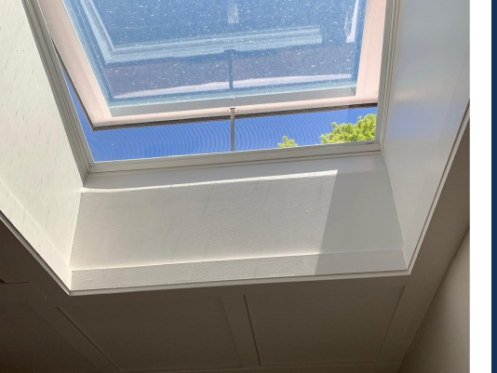
Adding a skylight sounds like a simple upgrade until weather tests it. In Utah, storms hit harder and faster than they used to, and anything that penetrates a roof has to perform under wind, hail, snow load, and rapid temperature swings. Homeowners often assume skylights are a separate specialty, yet the way they tie into the roof system matters far more than the glass itself. At Master Roofing in Salt Lake City, UT, we help you evaluate skylight work through the same durability lens you use for the rest of your roof. The real question is not who sells the skylight. It is who understands how that opening affects the roof that protects your home.
Why Skylights Fail More Often Than People Expect
Most skylight problems do not come from the unit. They come from the roof around it. Leaks often start months or years after installation, once flashing loosens, sealants dry out, or ice and water push against weak transitions. A skylight interrupts shingles, underlayment, and decking in one of the most vulnerable parts of the roof. If that integration is off by even a small margin, water finds an entry path.
Roofing Skill Matters More Than the Skylight Brand
A skylight is not a window dropped into a hole. It is a roof penetration that has to move with the roof. Shingles expand and contract. Decking flexes under snow load. Fasteners shift as temperatures change. A roofer understands how these forces work together because they deal with them across the entire roof surface.
This is why trusting your roofer can make sense when skylights are part of a roofing project. A roofer looks at slope, drainage paths, ice buildup zones, and how water sheds across the roof plane. That perspective affects where a skylight should sit and how it should be flashed. When skylights are installed without that context, the roof ends up compensating for someone else’s shortcut.
Storm Chasers Changed How Roofing Decisions Get Made
Utah has seen a rise in storm chaser activity over the past several years. After hail or wind, companies knock on doors, pushing insurance claims and quick replacements. That has changed how homeowners think about roofs. The focus shifts to what insurance will pay for, rather than what performs best in the long term.
Insurance carriers noticed. Policies tightened. Matching rules narrowed. Unlimited replacement coverage disappeared. A roof is no longer treated like a blank check after a storm. This is where skylights come back into the conversation. When an insurance adjuster looks at damage, they evaluate components separately. If a skylight fails later because it was installed as a shortcut, the repair is often outside the scope of a claim.
The Honda Civic Analogy and Why It Matters
Think about insurance like replacing a Honda Civic after an accident. Insurance covers restoring the vehicle to what it was, not upgrading it into a luxury car. Roofing works the same way now. Policies aim to replace like-for-like. They do not automatically fund higher-performance materials or improved systems.
This matters when skylights enter the picture. If your roof system is built to minimum standards and a skylight is added without reinforcing the surrounding roof, the weakest component decides the outcome. A higher-end roof system, properly integrated, limits reliance on insurance after every storm. It shifts the focus from chasing claims to building durability.
Skylights Should Match the Roof’s Performance Level
A roof built for extreme weather should not have its performance downgraded by a skylight installation. Materials, underlayment, flashing design, and fastening patterns all matter. A roofer who works with higher-end systems understands how to maintain continuity across the roof surface.
This is where product choice meets installation quality. A skylight rated well on paper still depends on how it is installed. Pairing it with roofing materials designed to handle hail impact and wind uplift creates a system that works together instead of competing for strength.
Avoiding Pain Instead of Chasing Appearance
Most homeowners do not call a roofer because they want their roof to look better. They call because they want to stop leaks, prevent damage, and avoid stress when storms roll in. Skylights should follow that same logic. Natural light is a benefit. Reliability is the priority.
When skylights are treated as part of the roof system instead of a decorative add-on, they perform better. This approach avoids the pain of emergency repairs, interior damage, and insurance disputes after severe weather.
How a Roofing-First Approach Protects Your Home
Working with a roofer who understands skylight integration means fewer assumptions and more planning. Placement considers water flow. Flashing layers tie into existing protection. The roof remains a system instead of a collection of parts.
This approach matters for homeowners across Salt Lake City, South Jordan, Draper, Lehi, and Highland, where weather patterns test roofing systems year after year. A skylight should never become the weak link.
Choosing Long-Term Performance Over Short-Term Fixes
Skylights can be a smart addition when they are installed by someone who treats the roof as a whole. Trusting your roofer makes sense when the goal is durability, not just daylight. At Master Roofing, we focus on building roof systems that hold up when the weather hits hard, with skylights approached through the same performance lens. If you want a roof that protects your home through storms instead of depending on insurance after them, talk with Master Roofing about solutions built to last.